
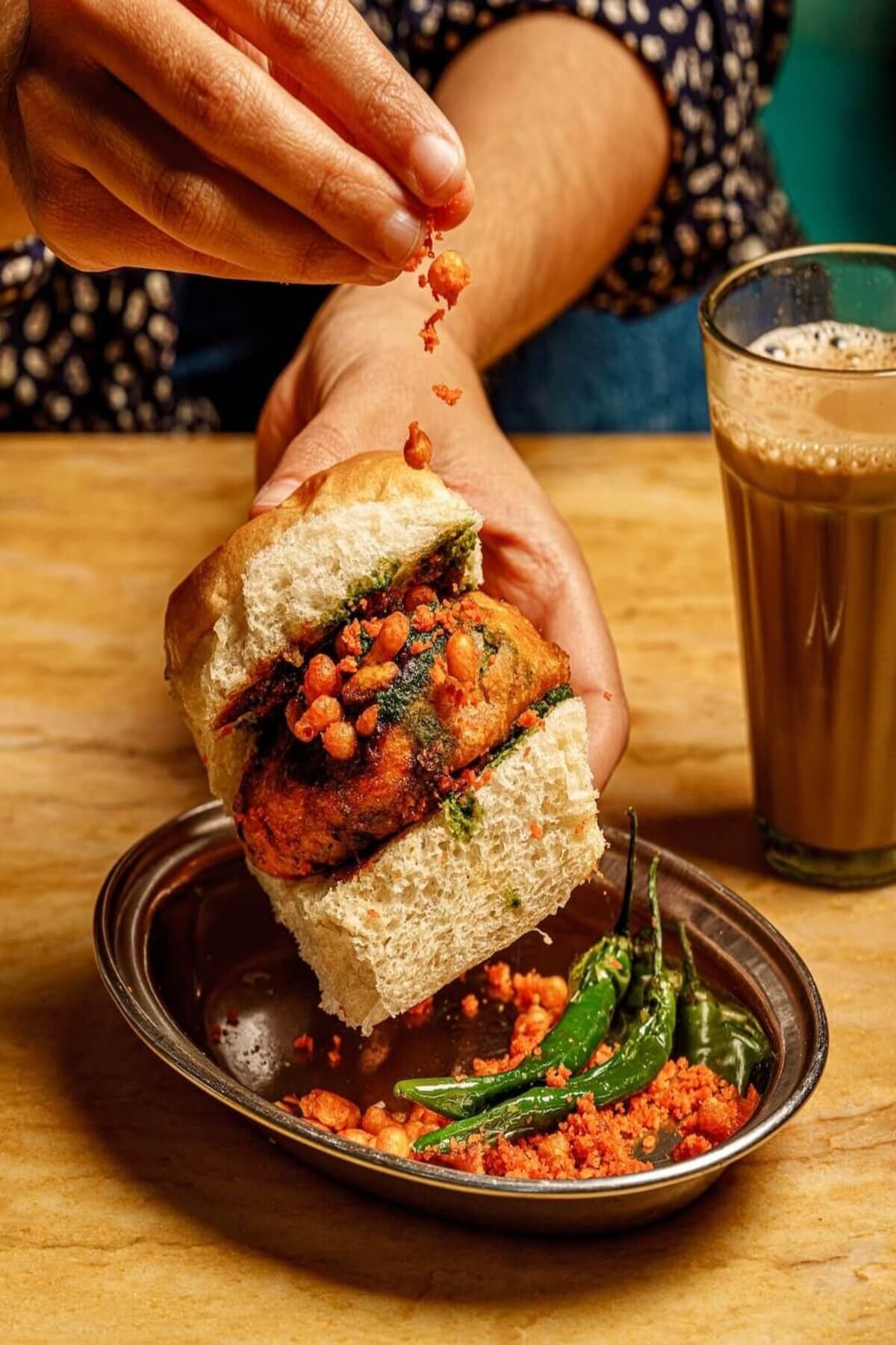
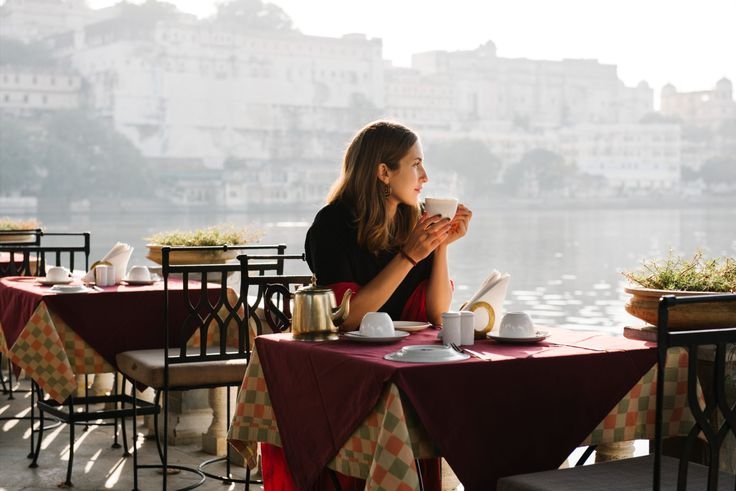
There is a particular kind of silence that falls over a table set for one. It used to be read as absence: an empty chair, a missing plus one, a reservation that looked to the waiter, like a mistake. Today, that same silence is being read as something else entirely. Presence. Undivided, unhurried and entirely yours.
Solo dining has quietly become one of the more interesting shifts in how we eat, and more than that, in how we’ve started to think about being alone.
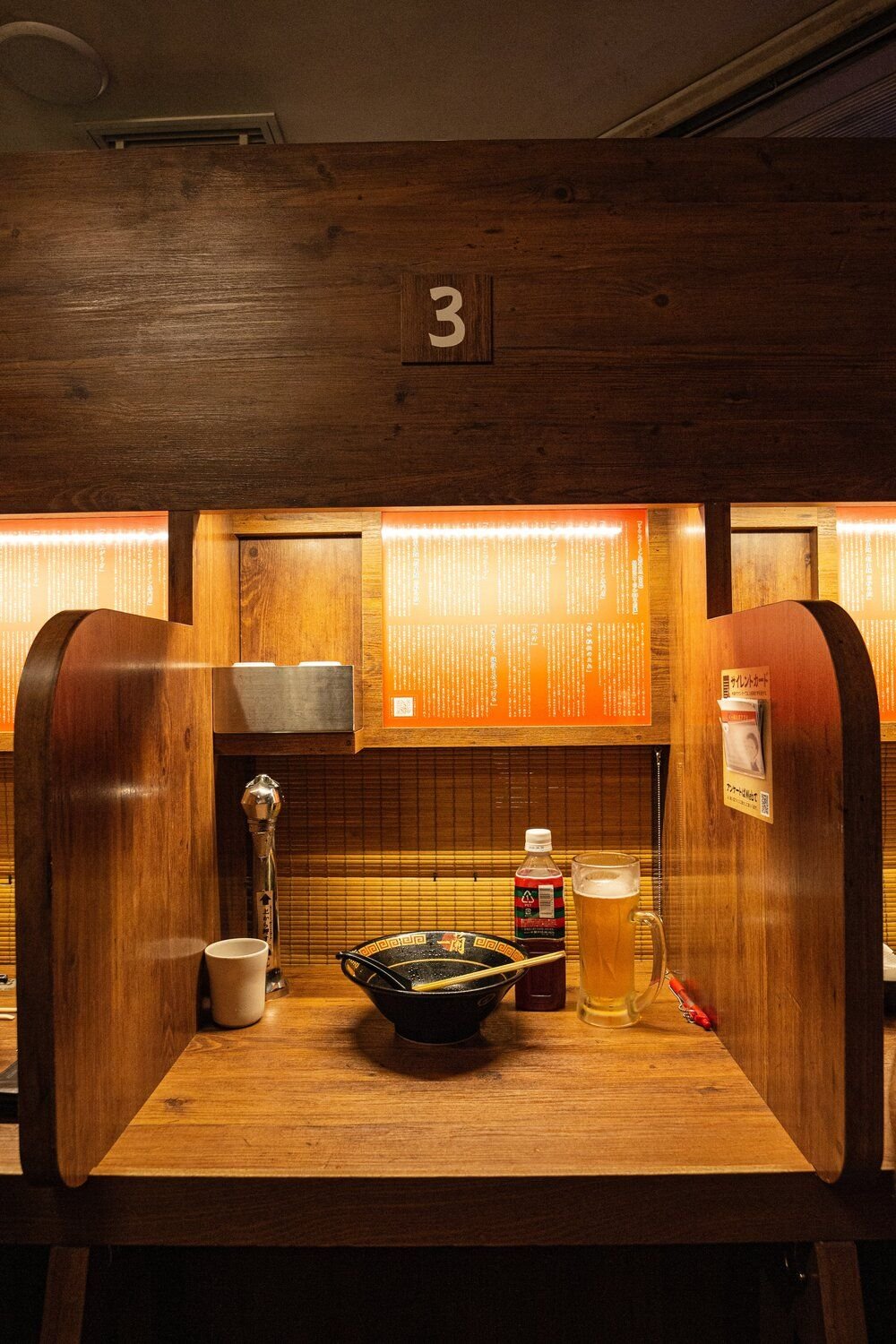
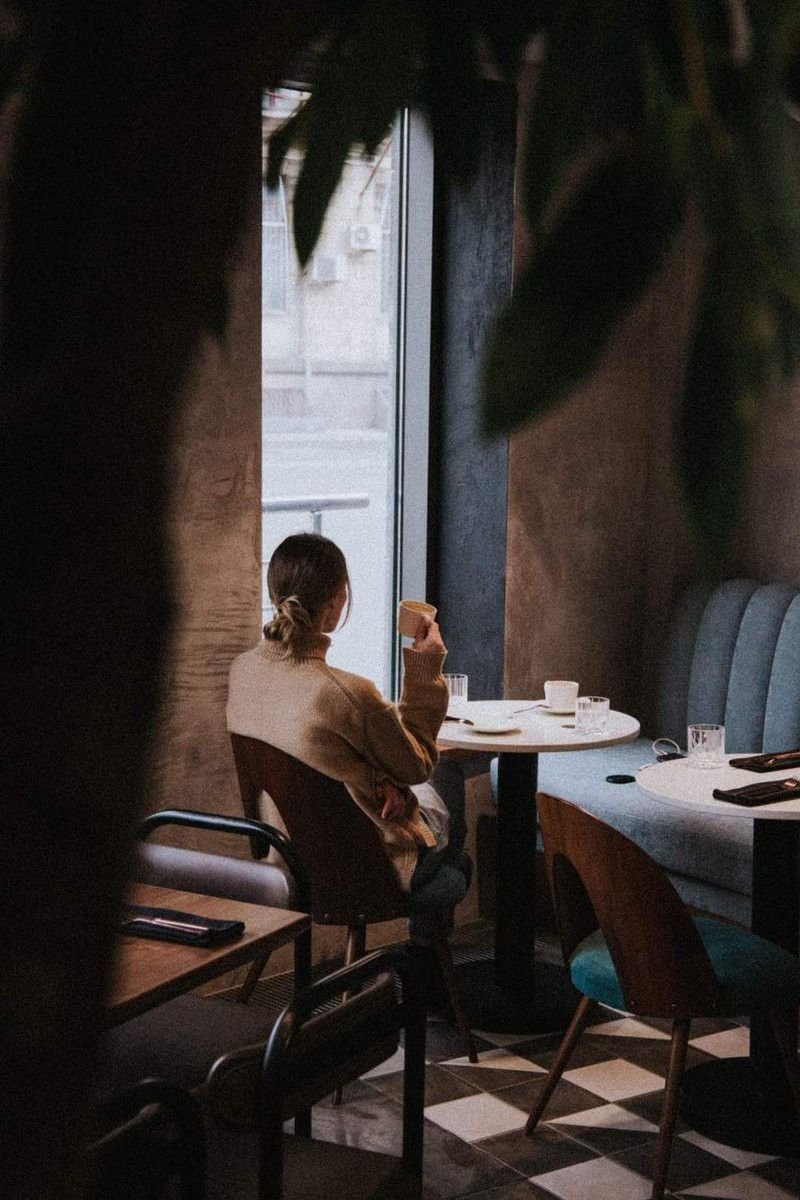
Japan and much of Europe have long treated solo dining as an ordinary part of everyday life, though they arrived there in different ways. In Japan, restaurants often make space for the individual by design: counter seating, ramen booths with partitions, standing sushi bars, places where dining alone feels entirely expected rather than exceptional. Across Europe, the tradition grew through café culture, where a single person could linger for hours with a coffee, a book or simply their thoughts, without the need to justify their presence. Increasingly, India is beginning to embrace its own version of that rhythm. Cafés are becoming something more than places to eat or meet, evolving into what sociologists call third spaces that sit somewhere between home and work, where being alone no longer feels like an interruption to the room but another perfectly valid way of inhabiting it.
Somewhere in most of our upbringings, certainly in India, happiness got quietly coded as a group activity. A win doesn’t fully register until someone is there to clap for it. A good meal doesn’t feel complete until it’s been described to someone, photographed for someone, shared with someone. We are fluent in togetherness. We are far less practiced at simply being with ourselves, without making a show of it.
Solo dining pushes back on that, gently but firmly. Sitting alone at a restaurant and actually being content there, not performing independence, not making a point of it, just genuinely enjoying a plate of food and the shape of your own thoughts is a small act of self trust. It says that your experience doesn’t need a witness to be valid.
And this is really the point worth holding onto. As theologian Paul Tillich famously observed, “Language has created the word ‘loneliness’ to express the pain of being alone. And it has created the word ‘solitude’ to express the glory of being alone.” That distinction feels especially relevant here. Loneliness is an ache for company that isn’t there. Solitude is a choice to be in your own company, and for a growing number of people, it’s becoming the preferred one.
It isn’t a coincidence that this is having a moment right now. It’s the natural result of how an entire generation has rebuilt its relationship with time and people. This is a generation that travels solo without needing to justify it, that works remotely and keeps its own hours, that has learned to protect its time as fiercely as it protects its calendar. It has also inherited cities where friendships are spread across neighbourhoods, workdays rarely end at the same hour, and even casual plans often require weeks of coordination. Waiting for everyone else’s schedules to line up just to justify a good meal starts to feel less like socializing and more like friction. Some days the honest desire isn’t for conversation. It’s for quiet. For food without the effort of small talk. For a seat by the window and the freedom to just watch the world go by.
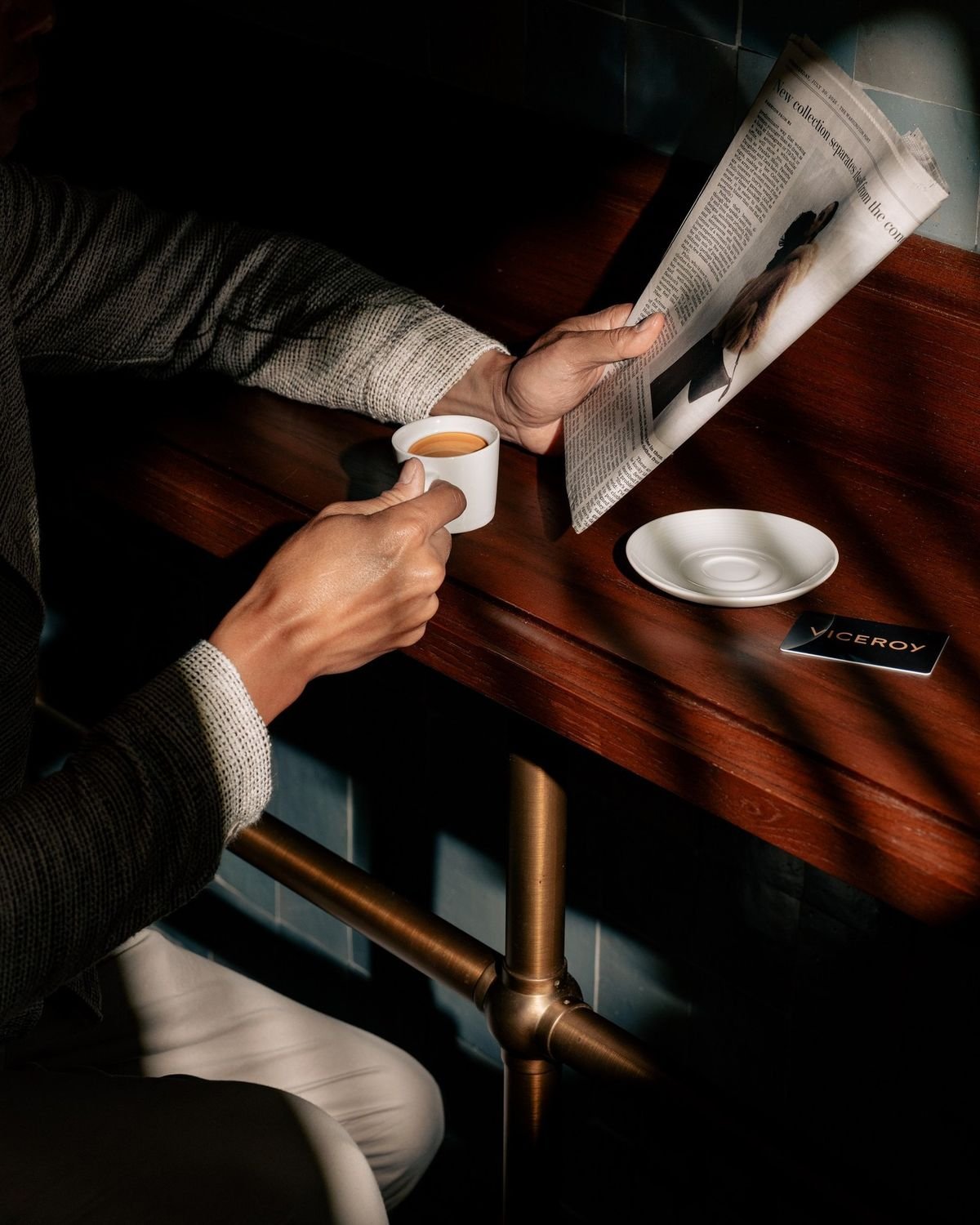

That isn’t antisocial, it’s closer to sensory regulation. A kind of care and energy restoration that happens to look like a dinner reservation. For many, a quiet table becomes less about escaping people than about creating enough stillness to return to them feeling more present.
There’s also a pleasure in solo dining that group meals rarely allow, the pleasure of observation. Alone at a table, you notice things you would otherwise miss. The couple negotiating their order in hushed tones. The way a server times a plate’s arrival just right. The city outside, moving at its own pace. Eating alone doesn’t just feed you, it gives you a better seat to watch everyone else’s evening unfold. Restaurants are beginning to notice it too. Chef’s counters, communal tables, bar seating and thoughtfully placed seats for one increasingly acknowledge that a solo diner isn’t an exception to accommodate but a guest the space was designed for.
Of course, it doesn’t mean the same thing everywhere, and that’s what makes it worth paying attention to as a real cultural shift rather than a passing trend. In Japan and much of Europe, it’s simply built into daily life. In India, it’s still becoming something closer to a statement, an expression of freedom rather than a default. Freedom from the quiet judgment that used to follow a table for one, the assumption that something was missing, that someone had cancelled, that there was a story to explain. Increasingly, there is no story. There’s just a person, a meal, and no obligation to make either legible to anyone else.
That’s really what this shift is about. It was never truly about how we eat. It’s about how comfortable we’re becoming in our own company, whether we can sit across from ourselves and stay for the whole meal.
The table for one isn’t empty anymore. It’s just occupied a little differently.
Jhanvi Arora (Creative Lead)
About the Author– “Jhanvi writes at the intersection of flavor and feeling, where every dish is a story and every setting, an art. With a sharp palate for detail, she serves the F&B world one well-seasoned narrative at a time.”