
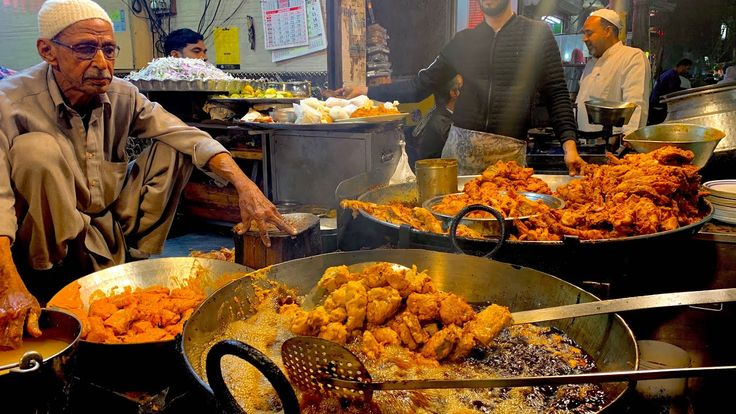
Time Out’s newly released ranking of the World’s Best Street Food Cities for 2026 has done something unexpected: it’s reshuffled a hierarchy most of us have taken for granted for years.
The list itself is built on a survey of tens of thousands of locals across cities worldwide — residents rating their own city’s street food scene on quality, affordability, and overall food culture, with Time Out’s editors and independent food experts then analysing and finalising the results. It is, in other words, a verdict from the people who eat there every day — not critics on press trips. And their verdict places Mumbai and Jaipur narrowly but clearly ahead of Delhi. It is a slim margin, not a landslide, but it is enough to raise a question that has perhaps been overdue: is Delhi’s long-held crown as India’s street food capital really as uncontested as we assumed?
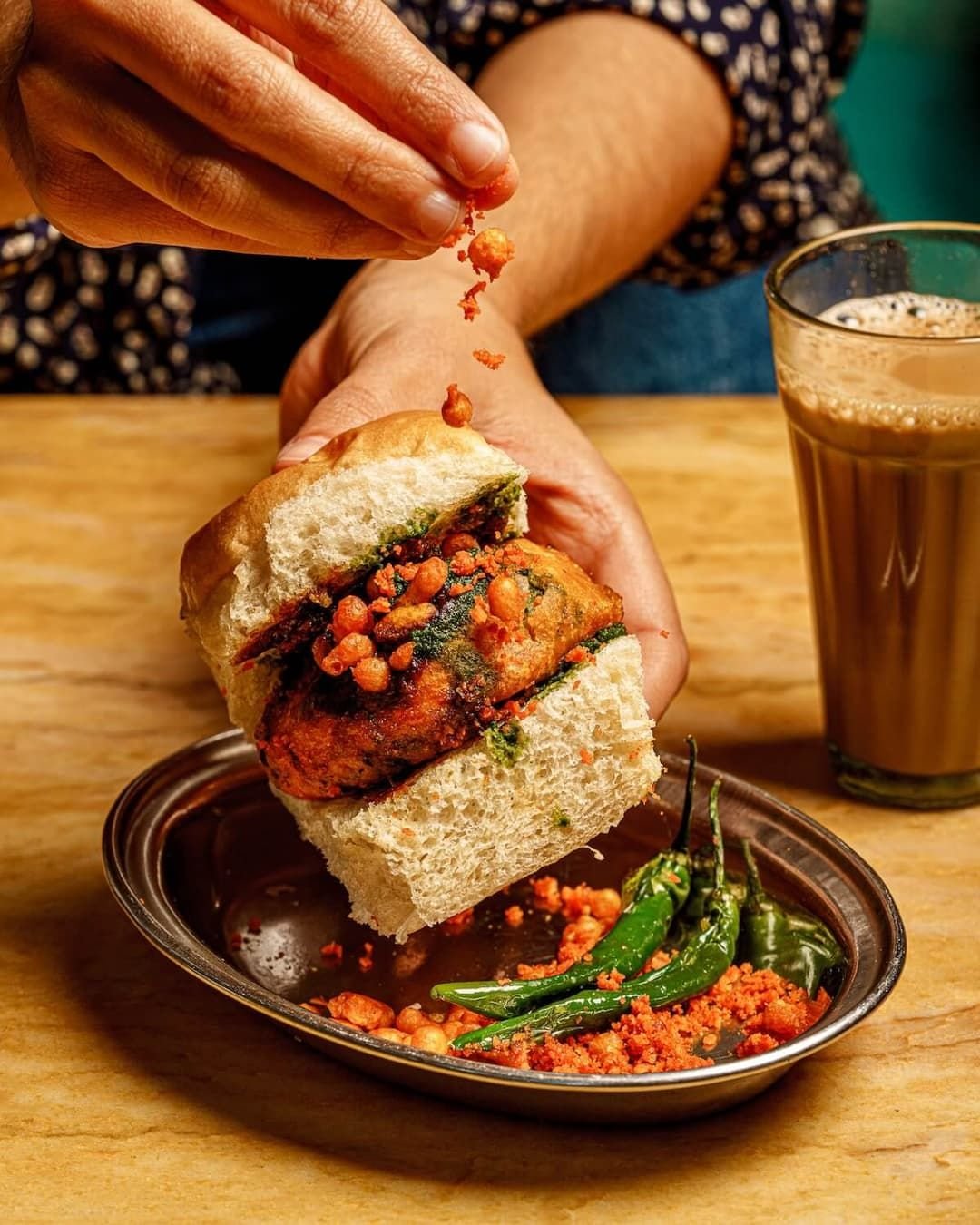
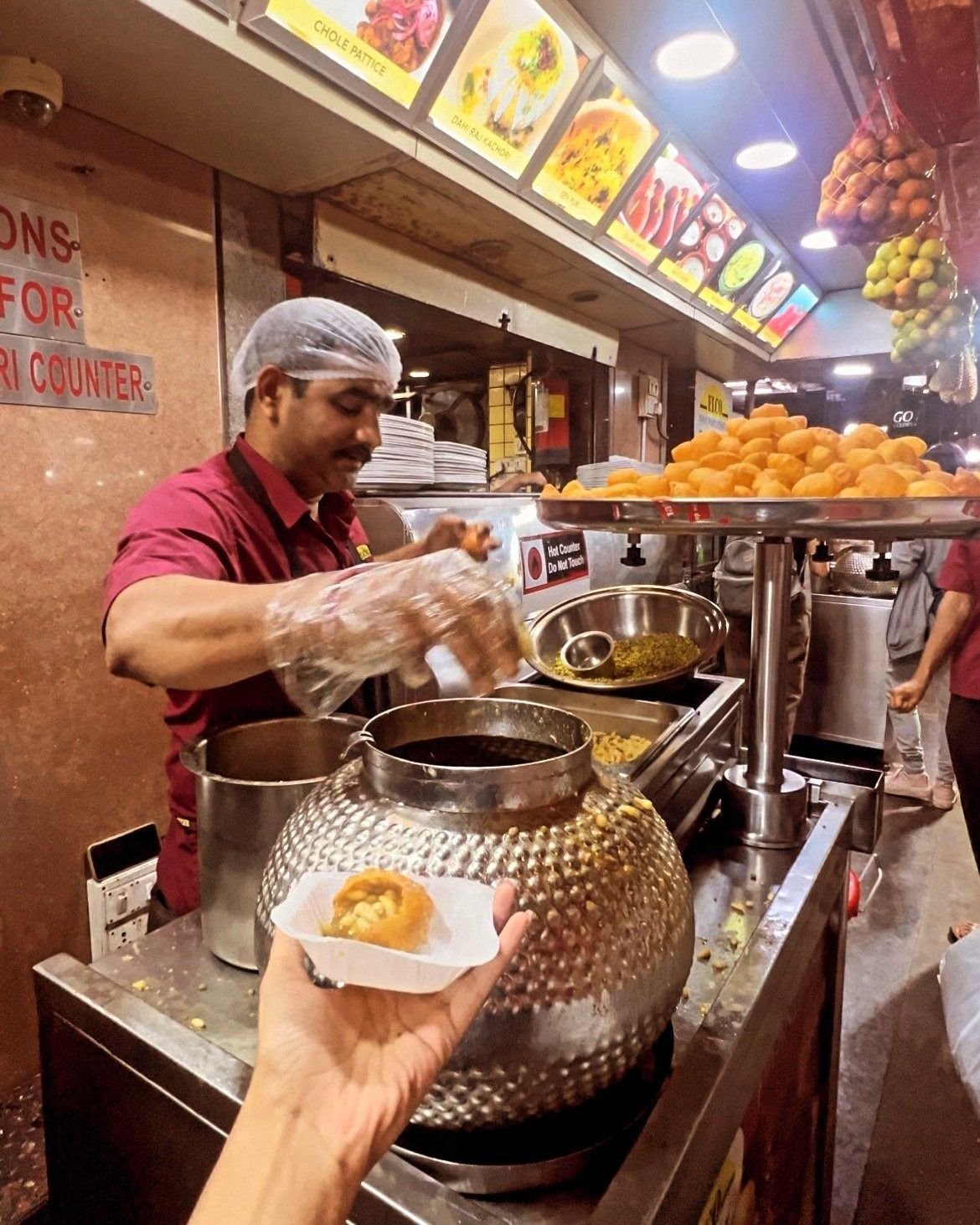
Jaipur has been quietly building toward this. Its F&B sector has matured fast, and not just at the luxury end. The city now moves fluidly between fine dining and roadside stalls, between five-star kitchens and century-old kachori shops, without either feeling like an afterthought. What makes Jaipur’s case particularly compelling is that it hasn’t done this by importing every cuisine and calling it cosmopolitan — it has done it while its own Rajasthani food, dal baati churma, ghewar, mirchi vada, pyaaz kachori, stays front and centre. The city has grown outward without losing what is distinctly its own.
That same instinct is what makes Mumbai’s food culture so hard to rival. Maharashtrian food — vada pav, pav bhaji, bhel puri — is very much the city’s anchor. But Mumbai’s real trick is that it doesn’t stop there. It is genuinely difficult to name a cuisine Mumbai doesn’t serve somewhere, in some form, at some price point; a fact that says less about Mumbai “having everything” and more about a city built by people from everywhere, all of whom eventually get their food onto its streets.
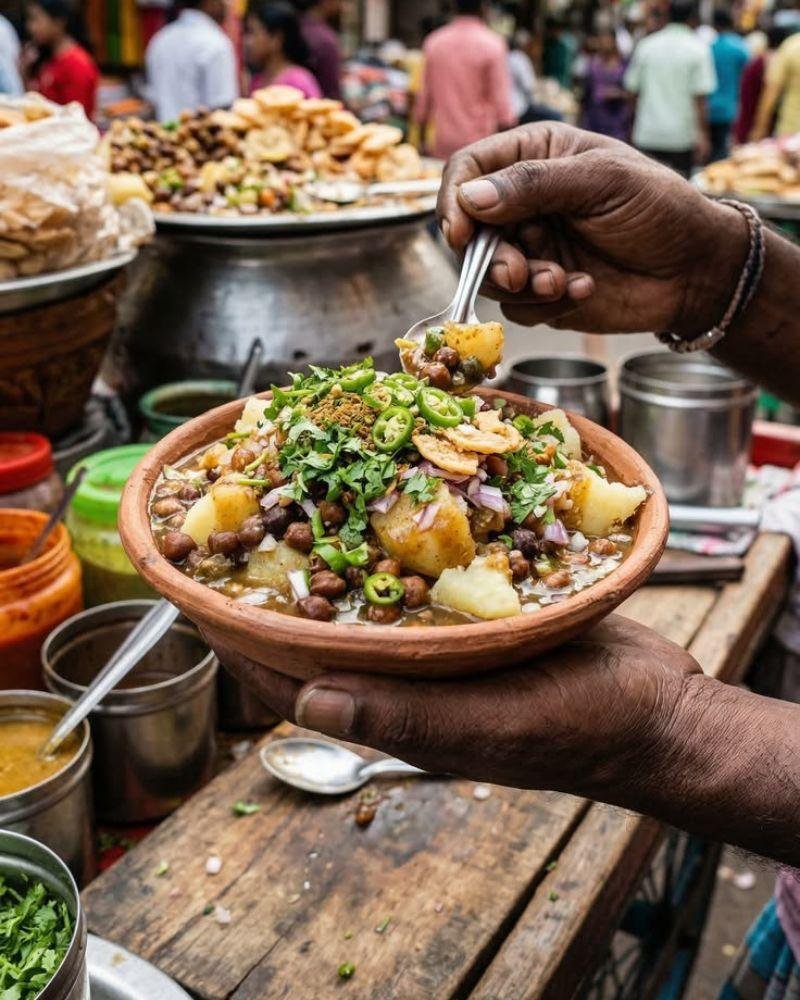
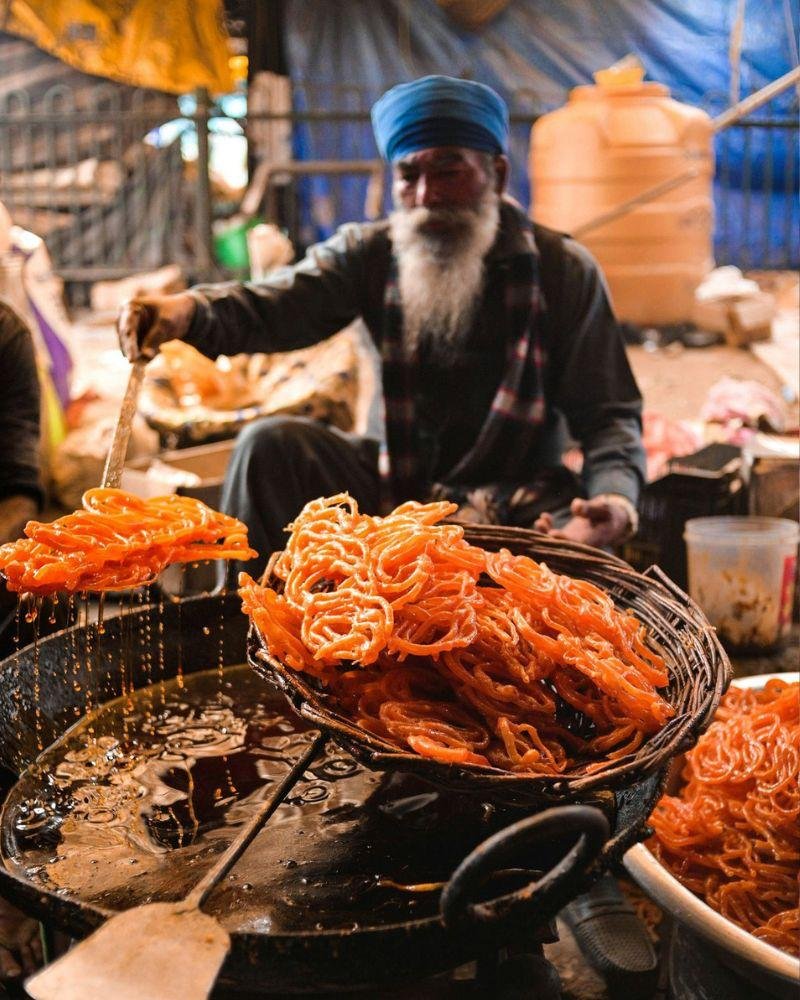
Delhi, by contrast, carries a different personality. That is not a comment on the quality of its food — Chandni Chowk’s chaat and parathas have earned every bit of their reputation, and Delhi’s culinary history is as layered and migrant-shaped as any city in India. But Delhi’s food culture is rooted in something older, more settled, more confident in what it already is. It does not feel the need to prove itself through variety. Where Mumbai and Jaipur feel like cities still in the act of becoming, Delhi feels like a city that already knows exactly what it is — and eats accordingly.
None of this makes Delhi’s food any less legendary. But it might explain why, for the first time, it’s no longer automatically first in line.